
Termite damage spreads faster than most homeowners realize, and a Riverside pest control company sees severe structural problems develop in just 3-6 months after initial damage appears. Termites eat wood 24 hours a day without stopping, and colonies containing hundreds of thousands of insects work simultaneously throughout your home. Most homeowners discover termites only after damage becomes visible, meaning the infestation already caused months or years of hidden destruction.
You found termite evidence but wonder how bad the problem really is. Small visible signs often indicate massive hidden damage inside walls, floors, and ceilings. This guide reveals five warning signs that termite damage exceeds what you can see on the surface.
Sign 1: You Found Multiple Mud Tubes in Different Areas
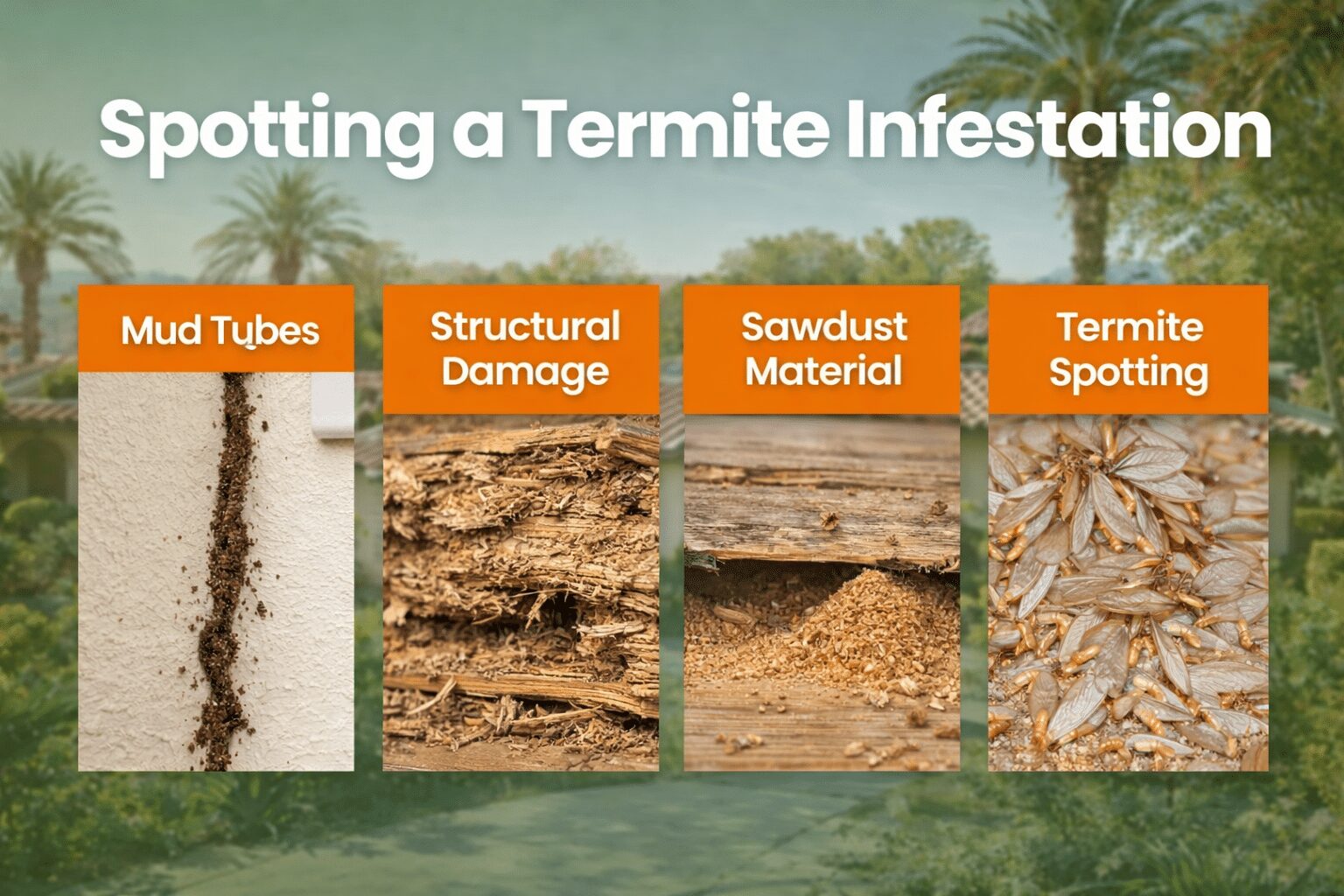
Finding mud tubes in several locations means termites established highways throughout your property. These tubes protect termites as they travel between soil and wood food sources. One or two tubes suggest a small colony, but multiple tubes indicate extensive infestation.
Termites build new tubes constantly as colonies expand. Fresh mud tubes appear light brown and feel soft when touched. Old tubes look darker and crumble easily. Finding both old and new tubes proves termites lived in your home for months or years.
Moreover, termites create tubes in hidden areas first before building in visible spots. You see tubes on exterior walls, but more tubes hide behind drywall, under insulation, and inside crawl spaces. Professional inspectors find 3-5 times more tubes than homeowners discover on their own.
Check these common tube locations:
- Foundation walls where concrete meets wood framing
- Basement or crawl space support posts
- Inside wall cavities near plumbing penetrations
- Attic spaces where roof meets walls
- Behind water heaters and HVAC units
- Garage walls connecting to main house structure
Additionally, termites build drop tubes that hang from ceilings to reach lower food sources. These tubes indicate termites infested upper floors and now expand downward. Drop tubes signal advanced colony development and widespread damage.
Sign 2: Floors Feel Soft or Bouncy When You Walk
Soft or bouncy floors mean termites ate through floor joists, subfloor, or support beams underneath. This structural damage develops over 1-3 years as termites consume load-bearing wood. Floor problems indicate damage far worse than surface-level issues.
Test your floors by walking slowly and feeling for areas that dip, sag, or bounce more than others. Pay special attention to areas near bathrooms, kitchens, and laundry rooms where moisture attracts termites. Furthermore, check floors near exterior walls and sliding glass doors where termites enter from outside.
Hardwood floors show termite damage through strange patterns and changes. Floors develop small holes, buckling sections, or areas where boards separate from each other. You might see what looks like water damage, but moisture comes from termite activity rather than leaks.
Carpet hides floor damage until problems become severe. Pull back carpet edges in corners and closets to inspect subfloor condition. Look for sagging areas, darkened wood, or crumbling material. Termites often work under carpets because homeowners cannot see the destruction.
Therefore, soft floors require immediate professional inspection. The visible floor damage represents only a fraction of total structural compromise. Support beams and joists underneath likely suffered extensive damage that threatens home safety.
Sign 3: You See Blistering or Bubbling Paint on Wood Surfaces
Paint blisters on wood trim, baseboards, or walls indicate termites eating wood directly behind the paint layer. Termites consume wood while leaving thin paint shells intact. The hollow spaces behind paint create bubbles that appear similar to water damage.
Tap suspected areas with your knuckle and listen for hollow sounds. Solid wood produces a sharp knock, while termite-damaged wood sounds dull and empty. Gently press bubbled paint with your finger. If the area feels soft or caves inward, termites ate the wood underneath.
Additionally, paint blisters appear in patterns following termite feeding galleries. You might see lines of bubbles tracking across baseboards or door frames. These patterns show termite movement paths and indicate active feeding.
Check these areas for paint problems:
- Window sills and frames (especially bottom corners)
- Door frames and threshold boards
- Baseboards along exterior walls
- Wall sections near plumbing fixtures
- Crown molding and ceiling trim
- Built-in cabinets and shelving
Moreover, peeling or flaking paint combined with small holes indicates termites broke through to the surface. These breakthrough points mean colonies grew large enough to exhaust hidden wood sources. Termites now actively consume visible wood and expand into new areas rapidly.
Sign 4: Doors and Windows Suddenly Stick or Won’t Close Properly
Sticking doors and windows signal termites damaged surrounding frames or created moisture problems that warped wood. Termites produce moisture as they digest wood, and this humidity causes swelling and warping. Therefore, doors that previously worked fine now require force to open or close.
Windows that stick or won’t latch properly indicate frame damage. Termites eat window frames from inside, weakening the structure and causing misalignment. You might see gaps between window and frame, or windows that rattle when closed.
Furthermore, door frames show visible signs when termites cause sticking problems. Look for cracks in door jambs, separation between frame and wall, or sagging at the top of the door opening. These issues develop as termites consume load-bearing wood in the frame structure.
Test doors and windows by opening and closing them slowly. Notice where resistance occurs and examine those spots carefully. Check for soft wood, hollow sounds when tapped, or visible damage like cracks and holes.
Consequently, multiple sticking doors or windows throughout your home indicate widespread termite activity. Isolated problems might result from normal settling or moisture. However, several sticking entry points suggest termites damaged frames in multiple locations simultaneously.
Sign 5: You Keep Finding Termite Swarmers Inside Your Home
Finding winged termites (swarmers) inside your home proves a mature colony lives in your structure. Colonies produce swarmers only after reaching 3-5 years old and containing thousands of termites. Indoor swarmers mean extensive hidden damage already exists.
Swarmers emerge from colonies during spring months (typically March through June) when weather warms. You see them near windows, light fixtures, or on windowsills. Dead swarmers or discarded wings scattered on surfaces indicate recent swarming activity.
Additionally, finding swarmers in winter or fall signals termites live inside heated areas of your home. Outdoor colonies swarm in spring, but indoor colonies swarm year-round because of consistent temperatures. Winter swarmers represent a more serious infestation than spring swarmers.
Identify termite swarmers by these characteristics:
- Straight antennae (ant swarmers have bent antennae)
- Four wings of equal length
- Thick waist without segmentation
- Wings that detach easily and pile up near windows
- Attracted to light sources and windows
- Slow, weak fliers that land frequently
Moreover, the number of swarmers indicates colony size. Seeing a few swarmers suggests a smaller colony. Finding dozens or hundreds means a massive colony produced thousands of reproductives. Large swarms indicate severe infestation requiring immediate professional treatment.
According to the Environmental Protection Agency, termites cause billions of dollars in structural damage annually in the United States, and early detection prevents the most severe damage and costly repairs.
Why Termite Damage Spreads Faster Than Homeowners Expect
Termites operate 24 hours daily without rest periods or seasonal dormancy in Southern California. A typical subterranean termite colony contains 60,000 to 2 million workers. Each termite eats tiny amounts individually, but the colony collectively consumes 1-2 pounds of wood weekly.
Furthermore, termites digest wood using specialized gut bacteria that break down cellulose efficiently. This digestive process works continuously, meaning damage accumulates every single day without pause. A colony working for six months causes as much damage as homeowners imagine would take several years.
Termites also target structural wood rather than decorative wood. They prefer support beams, floor joists, wall studs, and foundation timbers because these elements contain more cellulose. Therefore, termites compromise your home’s structural integrity while leaving visible surfaces relatively intact.
Additionally, termites follow moisture to food sources. Homes with plumbing leaks, poor drainage, or humidity problems attract larger colonies that grow faster. Moisture-damaged wood becomes softer and easier for termites to consume, accelerating destruction rates significantly.
What Happens If You Ignore These Warning Signs
Ignoring termite warning signs allows colonies to expand exponentially. A small colony discovered early might require spot treatment costing $500-$1,500. However, waiting another year could necessitate whole-house fumigation costing $2,500-$7,500 for the same property.
Structural damage worsens progressively until repairs become necessary. Early intervention prevents damage, but delayed treatment requires replacing damaged wood, reinforcing weakened structures, and fixing related problems like sagging floors or cracked foundations. Repair costs often exceed treatment costs by 3-5 times.
Moreover, severe termite damage affects home value and salability. Home inspections reveal termite problems that buyers use to negotiate lower prices or walk away entirely. Sellers must disclose termite history, and undisclosed damage creates legal liability even after closing.
Safety concerns emerge as structural damage progresses. Weakened floor joists, damaged support beams, and compromised roof structures create collapse risks. Homeowners and families face potential injury from structural failures caused by termite damage.
Southland Pest Control provides comprehensive termite inspections and treatment services throughout Riverside and surrounding areas. Our licensed technicians use thermal imaging, moisture meters, and detailed visual inspections to assess damage extent accurately. We identify all termite activity including hidden colonies and provide treatment recommendations based on your specific situation.
How Professional Inspections Reveal Hidden Damage
Professional termite inspectors use specialized tools and training to find damage homeowners miss. Thermal imaging cameras detect temperature changes caused by termite activity behind walls and inside ceilings. Moisture meters identify elevated humidity levels that indicate termite presence or conducive conditions.
Inspectors examine areas homeowners cannot easily access. They crawl through attics, inspect crawl spaces, and check subarea foundations thoroughly. Most hidden termite damage exists in these difficult-to-reach locations where homeowners rarely look.
Furthermore, professionals recognize subtle damage signs that untrained eyes overlook. They spot early-stage mud tubes, identify species-specific behaviors, and distinguish termite damage from other wood-destroying organisms. This expertise catches problems before they become emergencies.
Complete inspections include these critical areas:
- Foundation perimeter and visible wood-to-ground contact points
- Crawl spaces and subarea access panels
- Attic spaces and roof line connections
- Interior walls and ceilings using moisture detection
- Plumbing penetrations and bathroom/kitchen areas
- Garage walls connecting to living spaces
- Exterior wood siding, trim, and decorative elements
- Fence lines and landscaping wood features
Additionally, inspectors provide detailed reports documenting all findings with photos and damage descriptions. These reports help homeowners understand infestation extent, prioritize repairs, and plan treatment options. Reports also create documentation for insurance claims and real estate transactions.
Treatment Options for Advanced Termite Damage
Severe termite infestations require aggressive treatment approaches. Spot treatments work only for isolated, contained infestations. Widespread damage demands whole-structure treatments that eliminate colonies throughout your property.
Fumigation provides the most complete termite elimination for severe infestations. The process involves tenting your home and releasing Vikane gas that penetrates all wood and kills termites everywhere. Fumigation eliminates drywood termites throughout the structure including hidden colonies in walls, attics, and inaccessible areas.
Alternatively, liquid termiticide treatments work well for subterranean termite infestations. Professionals apply termiticide around your foundation perimeter creating a barrier that kills termites attempting to enter. Termiticides also eliminate existing colonies connected to your home through soil.
Heat treatment offers a chemical-free fumigation alternative. Specialized equipment heats your entire home to 120-140 degrees Fahrenheit for several hours. This heat kills all termite life stages including eggs that survive other treatments.
Moreover, treatment timing matters significantly. Immediate treatment prevents further damage and stops colony growth. Each month of delay allows termites to consume more wood, expand into new areas, and cause additional structural problems requiring costly repairs.
Protecting Your Home After Treatment
Successful termite elimination requires ongoing monitoring and prevention. Treated homes need regular inspections to catch new infestations before they cause damage. Annual inspections cost far less than treating new infestations or repairing additional damage.
Moisture control prevents future termite problems. Fix plumbing leaks immediately, improve drainage around foundations, and reduce humidity in crawl spaces. Termites need moisture to survive, so eliminating water sources makes your home less attractive to colonies.
Furthermore, maintain proper clearance between soil and wood. Remove soil, mulch, and debris from direct contact with siding or foundation wood. Keep firewood stored away from house structures. These simple steps create barriers that discourage termite entry.
Consider preventive treatments for high-risk properties. Homes with previous termite history, properties near undeveloped land, or structures with crawl space construction benefit from preventive termiticide barriers. These treatments stop termites before they enter your home and cause damage.
Schedule Your Professional Termite Inspection Today
Discovering these warning signs means you need professional help immediately. Waiting allows termite colonies to grow, damage to worsen, and repair costs to multiply. Early intervention saves money and protects your home’s structural integrity.
Southland Pest Control specializes in termite detection, treatment, and prevention throughout Riverside and surrounding communities. Our experienced technicians conduct thorough inspections using advanced detection equipment. We provide honest assessments, competitive pricing, and effective treatment solutions tailored to your specific infestation.
We understand the stress and concern termite damage creates. Our team works quickly to assess your situation, explain all findings clearly, and recommend the most cost-effective treatment approach. We handle everything from initial inspection through treatment completion and follow-up verification.
Our termite services include free initial inspections, detailed damage reports with photos, treatment option comparisons, and post-treatment warranties. We work with all termite treatment methods and recommend solutions based on your home’s needs rather than pushing one-size-fits-all approaches.
Moreover, we coordinate with fumigation companies, provide preparation guidance, and oversee the complete treatment process. Our goal is making termite elimination as stress-free as possible while ensuring complete colony elimination and preventing future infestations.
Do not let termite damage continue destroying your home’s structure and value. Contact Southland Pest Control today to schedule your comprehensive termite inspection. We serve Riverside, Corona, Moreno Valley, and all surrounding communities with same-day and emergency inspection availability. Protect your investment with professional termite control from Riverside’s trusted local experts.

Shannon Reyes is a seasoned writer with a knack for crafting engaging blogs on a variety of service industries, including plumbing, cleansing, moving, pest control, and roofing. With a keen eye for detail and a passion for helping readers navigate complex topics, Shannon brings her expertise to life through informative and accessible content.









as a professional seo expert in hamburg, i can tell your article is professionally written, i enjoy reading it, keep up the good work, do you post more often ? i am now a follower, you can take a look at my site as the best seo expert in hamburg https://seoexpertehamburg.de/ Thank you
Get rewarded for every recommendation—join our affiliate network!
Share our products and watch your earnings grow—join our affiliate program!
such an indepth and professional article, i enjoy it, you can visit my page, the best webdesign agency in dortmund Germany https://webdesignagenturdortmund.de/ top webdesigners. Thank you
such an indepth and professional article, i enjoy it, you can visit my page, the best webdesign agency in dortmund Germany https://webdesignagenturdortmund.de/ top webdesigners. Thank you
Promote our brand and get paid—enroll in our affiliate program!
i enjoy reading your articles, it is simply amazing, you are doing great work, do you post often? i will be checking you out again for your next post. you can check out webdesignagenturnürnberg.de the best webdesign agency in nuremberg Germany
i really enjoyed your article, keep it like that, google will love it and rank it high, i am now a follower, my site https://topseofreelancerberlin.de/ the best seo freelancer in berlin and germany, check it out
such an indepth and professional article, i enjoy it, you can visit my page, the best webdesign agency in dortmund Germany https://webdesignagenturdortmund.de/ top webdesigners. Thank you
i enjoy reading your articles, it is simply amazing, you are doing great work, do you post often? i will be checking you out again for your next post. you can check out webdesignagenturnürnberg.de the best webdesign agency in nuremberg Germany
Join our affiliate family and watch your profits soar—sign up today!
i really enjoyed your article, keep it like that, google will love it and rank it high, i am now a follower, my site https://topseofreelancerberlin.de/ the best seo freelancer in berlin and germany, check it out
Refer friends and colleagues—get paid for every signup!
this is an interesting article, i enjoy reading it, keep up the good work, do you post often, i want to start following you. my site is https://webdesignfreelancermunchen.de/ it is the top webdesign freelancer platform in Germany.
**boostaro official**
Boostaro is a purpose-built wellness formula created for men who want to strengthen vitality, confidence, and everyday performance.
**herpafend**
Herpafend is a natural wellness formula developed for individuals experiencing symptoms related to the herpes simplex virus. It is designed to help reduce the intensity and frequency of flare-ups while supporting the bodys immune defenses.
**mounja boost official**
MounjaBoost is a next-generation, plant-based supplement created to support metabolic activity, encourage natural fat utilization, and elevate daily energywithout extreme dieting or exhausting workout routines.
**prodentim reviews**
ProDentim is a distinctive oral-care formula that pairs targeted probiotics with plant-based ingredients to encourage strong teeth, comfortable gums, and reliably fresh breath
**aquasculpt**
aquasculpt is a premium metabolism-support supplement thoughtfully developed to help promote efficient fat utilization and steadier daily energy.
Unlock exclusive rewards with every referral—apply to our affiliate program now!
**prostafense**
ProstAfense is a premium, doctor-crafted supplement formulated to maintain optimal prostate function, enhance urinary performance, and support overall male wellness.
**men balance**
MEN Balance Pro is a high-quality dietary supplement developed with research-informed support to help men maintain healthy prostate function.
i enjoy reading your articles, it is simply amazing, you are doing great work, do you post often? i will be checking you out again for your next post. you can check out webdesignagenturnürnberg.de the best webdesign agency in nuremberg Germany
**neurosharp**
Neuro Sharp is an advanced cognitive support formula designed to help you stay mentally sharp, focused, and confident throughout your day.
i enjoy reading your articles, it is simply amazing, you are doing great work, do you post often? i will be checking you out again for your next post. you can check out webdesignagenturnürnberg.de the best webdesign agency in nuremberg Germany
this is an interesting article, i enjoy reading it, keep up the good work, do you post often, i want to start following you. my site is https://webdesignfreelancermunchen.de/ it is the top webdesign freelancer platform in Germany.
Unlock exclusive rewards with every referral—enroll now!
such an indepth and professional article, i enjoy it, you can visit my page, the best webdesign agency in dortmund Germany https://webdesignagenturdortmund.de/ top webdesigners. Thank you
this is an interesting article, i enjoy reading it, keep up the good work, do you post often, i want to start following you. my site is https://webdesignfreelancermunchen.de/ it is the top webdesign freelancer platform in Germany.
this is an interesting article, i enjoy reading it, keep up the good work, do you post often, i want to start following you. my site is https://webdesignfreelancermunchen.de/ it is the top webdesign freelancer platform in Germany.
such an indepth and professional article, i enjoy it, you can visit my page, the best webdesign agency in dortmund Germany https://webdesignagenturdortmund.de/ top webdesigners. Thank you
**back biome official**
Mitolyn is a carefully developed, plant-based formula created to help support metabolic efficiency and encourage healthy, lasting weight management.
Start earning passive income—become our affiliate partner!
such an indepth and professional article, i enjoy it, you can visit my page, the best webdesign agency in dortmund Germany https://webdesignagenturdortmund.de/ top webdesigners. Thank you
i enjoy reading your articles, it is simply amazing, you are doing great work, do you post often? i will be checking you out again for your next post. you can check out webdesignagenturnürnberg.de the best webdesign agency in nuremberg Germany
Join forces with us and profit from every click!
Unlock exclusive affiliate perks—register now!
Invite your network, boost your income—sign up for our affiliate program now!
Apply now and receive dedicated support for affiliates!
Drive sales, earn commissions—apply now!
Maximize your earnings with top-tier offers—apply now!
Join our affiliate program and start earning commissions today—sign up now!
Get rewarded for every recommendation—join our affiliate network!
i enjoy reading your article, such a great piece, keep up the good work, webdesign freelancer deutschland is the best webdesign freelacing service in Germany, you can check it out. Thank you
fhqqi8
Start earning passive income—become our affiliate partner!
i like your work, i enjoy reading your article, the best webdesign agencies in germany and the top webdesign agenturen in deutschland is our website that is ranking in germany. check it out. https://webdesignagentur.de.com/
i like your work, i enjoy reading your article, the best webdesign agencies in germany and the top webdesign agenturen in deutschland is our website that is ranking in germany. check it out. https://webdesignagentur.de.com/
Your blog is a testament to your dedication to your craft. Your commitment to excellence is evident in every aspect of your writing. Thank you for being such a positive influence in the online community.
ne5lj7
Your blog is like a beacon of light in the vast expanse of the internet. Your thoughtful analysis and insightful commentary never fail to leave a lasting impression. Thank you for all that you do.
i enjoy reading your article, keep posting, i am a big fun and will continue following you, i am one of the best webdesign freelancer in München in Deutschland. https://webdesignfreelancermunchen.de/ check it out. Thank you
i enjoy reading your article, keep posting, i am a big fun and will continue following you, i am one of the best webdesign freelancer in München in Deutschland. https://webdesignfreelancermunchen.de/ check it out. Thank you
what a wonderful article, did you try checking out the best webdesign agencies in germany webdesignagenturnürnberg.de
this is very interesting to read, i like your work, you can check the best webdesign agency in bamberg here https://websiteerstellenlassenbamberg.de/webdesign-agentur-bamberg/
Get started instantly—earn on every referral you make!
Join our affiliate program and start earning today—sign up now!
Share our link, earn real money—signup for our affiliate program!
Turn traffic into cash—apply to our affiliate program today!
Refer friends and colleagues—get paid for every signup!
9q57te
Become our affiliate—tap into unlimited earning potential!
Join our affiliate community and maximize your profits—sign up now!
Join our affiliate program and watch your earnings skyrocket—sign up now!
y7p4mq
Promote our products and earn real money—apply today!
I appreciate you sharing this blog post. Thanks Again. Cool.
Grow your income stream—apply to our affiliate program today!
Drive sales, collect commissions—join our affiliate team!
Share our products and watch your earnings grow—join our affiliate program!
Sign up for our affiliate program and watch your earnings grow!
Get paid for every referral—enroll in our affiliate program!
this is one of the best article i have came across for very long time, i enjoy reading your article, you really have put on a lot of effort and work, gebäudereinigungberlin24.de is the best building cleaning agency in berlin
this is one of the best article i have came across for very long time, i enjoy reading your article, you really have put on a lot of effort and work, gebäudereinigungberlin24.de is the best building cleaning agency in berlin
Earn passive income with every click—sign up today!
Boost your income effortlessly—join our affiliate network now!
thank your for this article, keep up the good work
thank your for this article, keep up the good work
Tap into unlimited earning potential—become our affiliate partner!
thank your for this article, keep up the good work
Start profiting from your network—sign up today!
A really good blog and me back again.
Share your link and rake in rewards—join our affiliate team!
Become our partner and turn referrals into revenue—join now!
Get paid for every click—join our affiliate network now!
zsz5d7
Refer friends, collect commissions—sign up now!
I really enjoy reading this article, such an excellent piece, continue the good work, do you post often? you just got a fun from the eiffel tower paris. we are the best guide for paris eiffel tower. visit our site at https://eiffeltower-ticketparis.com/. thank you hope to hear from you.
Monetize your audience—become an affiliate partner now!
i really enjoy reading such a greate article, keep up the wonderful work, check out my site at eiffeltower-ticketparis.com
i really enjoy reading such a greate article, keep up the wonderful work, check out my site at eiffeltower-ticketparis.com
i really enjoy reading such a greate article, keep up the wonderful work, check out my site at eiffeltower-ticketparis.com
AI linkbuilding tool with chatgpt
x5xlhm
5137sc
Great article, i really enjoy reading it, i hope you post more, keep up the good wok , froompo.com is gona come follow you for more , nice reading it.
Great article, i really enjoy reading it, i hope you post more, keep up the good wok , froompo.com is gona come follow you for more , nice reading it.
Great article, i really enjoy reading it, i hope you post more, keep up the good wok , https://fr.frompo.com/ is gona come follow you for more , nice reading it.
Great article, i really enjoy reading it, i hope you post more, keep up the good wok , https://fr.frompo.com/ is gona come follow you for more , nice reading it.
Promote our brand, reap the rewards—apply to our affiliate program today!
11ywju
k87oq2
comprare patente b, e legale comprare la patente, comprare una patente napoli, patente originale, comprare patente c, acquisto patente b, comprare patente prezzo, compro patente, acquistare patente b napoli, dove posso comprare la patente b, compra patente online, comprare patente b online, comprare la patente a napoli, dove si può comprare la patente, quanto costa comprare la patente, comprare patente di guida, comprare patente senza esame, patente comprata prezzo, come comprare patente b napoli, comprare patente a, patente online comprare, quanto costa la patente a napoli, comprare patente Nautica, patente da comprare, Comprare patente Napoli . Comprare patente registrata presso Motorizzazione civile (DMV)?
987ytg
gdzie można kupić prawo jazdy z wpisem do rejestru, gdzie kupić prawo jazdy, jak kupić prawo jazdy, w jakim kraju można kupić prawo jazdy, gdzie kupić prawo jazdy kat b, jak kupić prawo jazdy na lewo, jak kupić prawo jazdy w polsce, gdzie można kupić prawo jazdy, prawo jazdy kupno, jak kupic prawo jazdy kat b, gdzie mozna kupic prawojazdy, czy można kupić prawo jazdy, prawo jazdy bez egzaminu, legalne prawo jazdy do kupienia, kupie prawo jazdy, kupię prawo jazdy z wpisem, prawo jazdy do kupienia, gdzie można kupić prawo jazdy, gdzie można kupić prawo jazdy z wpisem do rejestru forum, gdzie można kupić prawo jazdy b legalne, europejskie prawo jazdy bez egzaminu, kupic prawo jazdy w polsce, kupienie prawa jazdy, kupię prawo jazdy, jak załatwić prawo jazdy na lewo, prawo jazdy kupie, kupię prawo jazdy, legalne prawo jazdy do kupienia, jak kupic prawo jazdy kat b, sprzedam prawo jazdy z wpisem bez zaliczek, prawo jazdy do kupienia, gdzie mozna kupic prawojazdy, europejskie prawo jazdy bez egzaminu, legalne prawo jazdy do kupienia, kupno prawa jazdy, Gdzie Kupić Prawo Jazdy Legalnie?
iujhyg
NerveCalm is a high-quality nutritional supplement crafted to promote nerve wellness, ease chronic discomfort, and boost everyday vitality.
Visium Pro is an advanced vision support formula created to help maintain eye health, sharpen visual performance, and provide daily support against modern challenges such as screen exposure and visual fatigue.
ViriFlow is a dietary supplement formulated to help maintain prostate, bladder, and male reproductive health. Its blend of plant-based ingredients is designed to support urinary comfort and overall wellness as men age.
Boostaro is a purpose-built wellness formula created for men who want to strengthen vitality, confidence, and everyday performance.
HeroUP is a premium mens wellness formula designed to support sustained energy, physical stamina, and everyday confidence.
ProDentim is a distinctive oral-care formula that pairs targeted probiotics with plant-based ingredients to encourage strong teeth, comfortable gums, and reliably fresh breath.
Mitolyn is a carefully developed, plant-based formula created to help support metabolic efficiency and encourage healthy, lasting weight management.
PurDentix is a revolutionary oral health supplement designed to support strong teeth and healthy gums. It tackles a wide range of dental concerns
Gluco6 is a natural, plant-based supplement designed to help maintain healthy blood sugar levels.
Maintaining prostate health is crucial for men’s overall wellness, especially as they grow older. Conditions like reduced urine flow, interrupted sleep
Arialief is a carefully developed dietary supplement designed to naturally support individuals dealing with sciatic nerve discomfort while promoting overall nerve wellness.
InsuLeaf is a high-quality, naturally formulated supplement created to help maintain balanced blood glucose, support metabolic health, and boost overall vitality.
The bodys natural process of skin cell renewal is essential for preserving a smooth, healthy, and youthful-looking complexion.
Manergy is an advanced male vitality supplement created to help support healthy testosterone levels
ProstAfense is a premium, doctor-crafted supplement formulated to maintain optimal prostate function, enhance urinary performance, and support overall male wellness.
NerveGenics is a naturally formulated nerve-health supplement created to promote nerve comfort, cellular energy support, antioxidant defense
Prosta Peak is a high-quality prostate wellness supplement formulated with a comprehensive blend of 20+ natural ingredients and essential nutrients to support prostate health
Nitric Boost Ultra is a daily wellness formula designed to enhance vitality and help support all-around performance.
MounjaBoost is a next-generation, plant-based supplement created to support metabolic activity, encourage natural fat utilization
Kerassentials is an entirely natural blend crafted with 4 potent core oils and enriched by 9 complementary oils and vital minerals.
Prostadine concerns can disrupt everyday rhythm with steady discomfort, fueling frustration and a constant hunt for dependable relief.
AquaSculpt is a high-quality metabolic support supplement created to help the body utilize fat more efficiently while maintaining steady, reliable energy levels throughout the day.
Start sharing our link and start earning today!
看不懂但大受震撼
führerschein kaufen, deutschen führerschein legal kaufen, führerschein online kaufen, motorrad führerschein kaufen schweiz, eu-führerschein kaufen,wie viel kostet der führerschein in österreich, führerschein kaufen ohne vorkasse, führerschein kaufen ohne prüfung Köln, Lkw führerschein kaufen Frankfurt, mpu kaufen Frankfurt,mpu kaufen köln, mpu kaufen legal, positive mpu kaufen erfafahrungen, mpu kaufen stuttgart, kaufen swiss registrierte führerschein, führerschein kaufen in österreich, Pkw führerschein kaufen auf Rechnung, führerschein österreich kaufen, österreichischen führerschein kaufen legal, kaufen swiss registrierte führerschein, registrierten führerschein kaufen berlin, echten führerschein kaufen Köln, legal führerschein kaufen, echten deutschen führerschein kaufen, deutschen registrierten führerschein kaufen, osterreichischen-fuhrerschein-kaufen zürich, deutschen registrierten führerschein kaufen, österreichischer führerschein kaufen erfahrungen, führerschein in österreich kaufen, osterreichischen-fuhrerschein-kaufen was tun, osterreichischen-fuhrerschein-kaufen was ist das, kaufen schweizer juristischen führerschein,
jnb
Start earning instantly—become our affiliate and earn on every sale!
indvz8
Promote our products and earn real money—apply today!
Partner with us and enjoy high payouts—apply now!
kupić prawo jazdy, kupic prawo jazdy w polsce, kupienie prawa jazdy, kupię prawo jazdy, jak załatwić prawo jazdy na lewo, prawo jazdy kupie, kupię prawo jazdy, legalne prawo jazdy do kupienia, jak kupic prawo jazdy kat b, sprzedam prawo jazdy z wpisem bez zaliczek, prawo jazdy do kupienia, gdzie mozna kupic prawojazdy, europejskie prawo jazdy bez egzaminu, legalne prawo jazdy do kupienia, kupno prawa jazdy, Gdzie Kupić Prawo Jazdy Legalnie?. gdzie można kupić prawo jazdy z wpisem do rejestru, gdzie kupić prawo jazdy, jak kupić prawo jazdy, w jakim kraju można kupić prawo jazdy, gdzie kupić prawo jazdy kat b, jak kupić prawo jazdy na lewo, jak kupić prawo jazdy w polsce, gdzie można kupić prawo jazdy, prawo jazdy kupno, jak kupic prawo jazdy kat b, gdzie mozna kupic prawojazdy, czy można kupić prawo jazdy, prawo jazdy bez egzaminu, legalne prawo jazdy do kupienia, kupie prawo jazdy, kupię prawo jazdy z wpisem, prawo jazdy do kupienia, gdzie można kupić prawo jazdy, gdzie można kupić prawo jazdy z wpisem do rejestru forum, gdzie można kupić prawo jazdy b legalne, europejskie prawo jazdy bez egzaminu
wse
Sign up and turn your connections into cash—join our affiliate program!
Share our products, reap the rewards—apply to our affiliate program!
Promote our brand and get paid—enroll in our affiliate program!
Share our products and watch your earnings grow—join our affiliate program!
Promote our brand and watch your income grow—join today!