
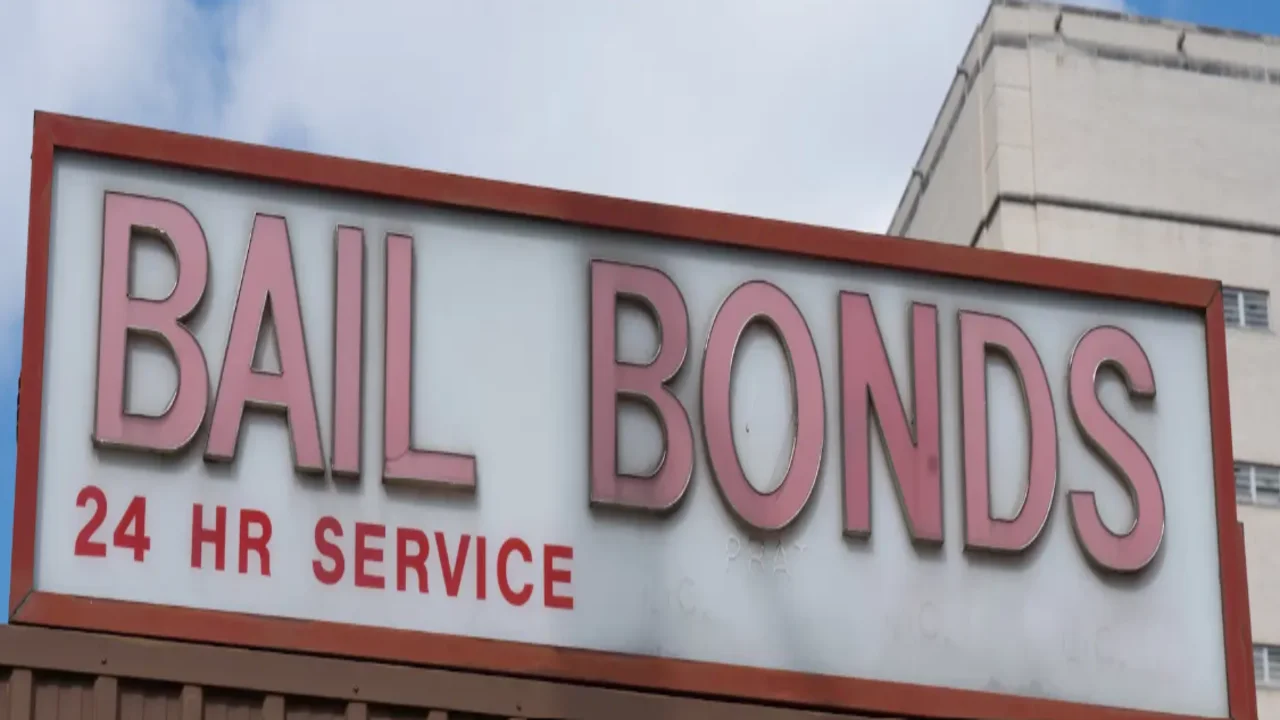
Bail is a financial arrangement, not a penalty. It’s a contractual promise made to the court to ensure someone returns for their hearings. Amounts in Oklahoma can be steep, frankly, designed to provide a serious incentive for compliance. The process statewide follows a specific rhythm. Understanding that rhythm from the start is the only way to navigate it effectively. Time and information are your only real leverage.
How Bail Is Set in Oklahoma
The state’s courts use a hybrid method. Fixed bail schedules provide immediate reference points for common charges. Judges, however, retain full authority to adjust these amounts based on individual case details at a formal hearing. The final number is rarely arbitrary. It’s a calculated figure balancing several competing interests of the justice system.
Bail Schedule vs. Judge’s Decision
For straightforward, low-level offenses, the jail might reference a standard schedule. Misdemeanor X equals a set dollar amount. This gives some predictability. More serious felonies or complex situations always go before a judge. That judge can raise the amount from the schedule, lower it, or even deny bail entirely. They look at the whole picture, not just a charge code. A hearing introduces human judgment into the equation, for better or worse.
Factors That Influence Bail
The judge’s decision depends on several key variables. These elements are evaluated together, not separately:
- The severity of the alleged offense,
- The defendant’s prior record,
- Any history of missing court dates,
- Employment and community ties,
- Overall flight risk,
- Circumstances surrounding the arrest.
These factors help the court set an amount that ensures a return without functioning as pretrial punishment.
Release Options in Oklahoma
Few people have thousands in liquid cash sitting around. So, Oklahoma, like most states, offers several paths to pretrial release. Each option carries different requirements, costs, and speeds. The right choice depends entirely on your specific resources and the details of the case. It’s a financial decision with legal strings attached.
Cash Bail
This is the simplest method on paper. You pay the full bail amount in cash or sometimes via cashier’s check directly to the court. The entire sum is held as collateral. If the defendant appears for every required court date, the money is refunded at the case’s conclusion, minus any applicable fees. It’s a huge upfront financial hit, but it avoids third-party involvement. You’re dealing directly with the court.
Surety Bonds
This is where a licensed bail bond company comes in. They act as a surety, guaranteeing the full bail amount to the court in exchange for a non-refundable premium. The premium is typically 10% of the total bail in Oklahoma. The client pays this premium and may also need to secure the bond with collateral like property titles or vehicle paperwork.
This is the most common path because it requires far less upfront cash. In these high-pressure situations, families often contact a local provider like Tulsa Bail Bond Company to secure a surety bond and facilitate release.
Property Bonds
In some counties, you can pledge real estate equity as collateral instead of cash. The property’s value must significantly exceed the bail amount. This process is slow. It requires official appraisals, lien filings, and extensive paperwork with the court clerk. It’s an option of last resort for those with substantial assets but no ready cash. Most jails and bondsmen would rather not deal with the paperwork nightmare. Families usually weigh a few core options:
- Cash bail, fast but expensive,
- Surety bond, the most popular route,
- Property bond, cumbersome and slow,
- OR release, which is personal recognizance, no money down but only for low-risk cases.
Sometimes you have a choice. Often, financial reality makes the choice for you. The clock starts ticking the moment the cell door closes, so understanding these avenues quickly is half the battle.
The Role of Licensed Bail Bondsmen in Oklahoma
A bondsman is more than a financier. They are a regulated intermediary, licensed by the Oklahoma Insurance Department. Their function is to assume the court’s financial risk. They pledge to pay the full bail if the defendant vanishes. In return, they charge a premium for assuming this liability. Picking a licensed agent isn’t just a good idea. It’s your only real protection in a vulnerable moment.

Shannon Reyes is a seasoned writer with a knack for crafting engaging blogs on a variety of service industries, including plumbing, cleansing, moving, pest control, and roofing. With a keen eye for detail and a passion for helping readers navigate complex topics, Shannon brings her expertise to life through informative and accessible content.