

Introduction to Mic Covers
If you’ve ever spoken into a microphone and heard that unwanted “puff” sound or noticed wind noise in a recording, you’ve already seen why mic covers matter. These small accessories may look simple, but they play a major role in protecting your microphone and improving sound quality. Whether you’re recording audio at home, speaking at an event, hosting a livestream, or recording a podcast, mic covers help keep your microphone clean, clear, and performing at its best.
In today’s world, more people than ever use microphones—at work, at home, and for hobbies. With the rise of online meetings, video recording, podcasting, and livestreaming, mic covers are no longer tools only professionals use. They’re now helpful accessories for almost anyone who wants their voice to sound cleaner and more polished.
This guide breaks down everything about microphone covers in simple, easy-to-understand language. You’ll learn what they are, how they work, the different types, how to pick the right one, and how to care for them. By the end, you’ll know exactly which mic cover fits your needs and how to get the best sound from your microphone every time.
What Are Mic Covers?
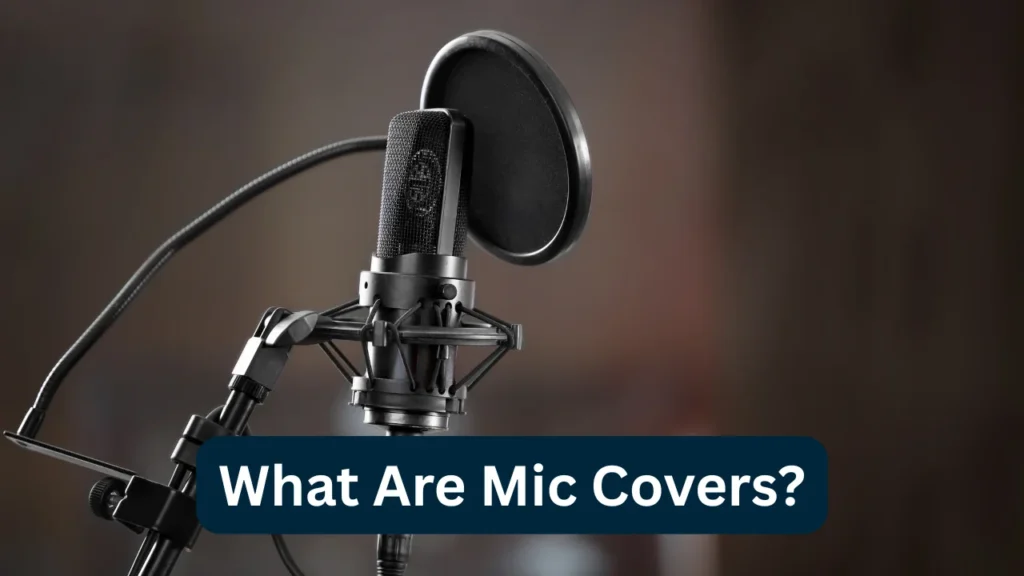
Mic covers—also called microphone covers, foam mic covers, mic windscreens, or microphone wind covers—are protective layers placed over a microphone to reduce noise, block wind, prevent dust buildup, and improve clarity. They come in many forms, like soft foam, furry deadcat covers, pop filters, or stylish decorative options. Regardless of the type, all mic covers help the microphone capture sound more cleanly.
Description of Mic Covers
Most mic covers are made from foam, fabric, mesh, or synthetic fur. These materials act like tiny filters that help soften harsh sounds. Think of them like a cushion between your breath and the microphone. When you speak, the mic cover reduces “popping” sounds caused by strong air bursts and helps smooth out noise from wind or movement.
How Mic Covers Work
Imagine blowing on a candle. If the flame flickers wildly, that’s what a microphone experiences when you talk directly into it without a cover. A mic cover acts like a soft barrier that diffuses the air before it reaches the microphone. It doesn’t block your voice—just the force behind it.
The material slows down wind, breath, and sudden air pressure changes. At the same time, it filters out dust, moisture, and particles that would otherwise enter the microphone’s inner components. This protects the microphone and keeps the audio clean.
Key Components of Mic Covers
While different types have different designs, most mic covers include:
- Outer layer: Usually foam, mesh, or fur. This is the main filtering material.
- Inner structure: Some covers include stitching, mesh layers, or reinforcement rings to hold their shape.
- Elastic or stretchable base: Helps the cover fit snugly over the microphone.
Typical Uses of Mic Covers
Mic covers are used in many common situations:
- Home recording setups
- Podcasting and broadcasting
- Outdoor interviews or filming
- Live stage performances
- Business presentations
- Streaming and gaming
- Public speaking events
- Fitness classes, tours, or group instructions
- Classroom or seminar microphones
From casual home use to professional stage setups, mic covers help in almost every environment where microphones are used.
Common Terms Associated with Mic Covers
Here are a few helpful terms you may see:
- Windscreen: A cover that blocks wind noise (foam or furry).
- Pop filter: A screen placed in front of a mic to reduce “p” and “b” popping sounds.
- Deadcat cover: A furry mic cover designed for outdoor wind noise reduction.
- Foam cover: A simple sponge-like cover used for indoor speaking and recording.
- Microphone sleeve: A decorative or branded cover used for style or hygiene.
- Disposable mic covers: For shared microphones (meetings, events, schools).
Types of Mic Covers
There are several types of microphone covers, each designed for different uses. Understanding them will help you choose the right one.
Foam Mic Covers
Foam mic covers are the most common type. They’re lightweight, soft, and widely used indoors. They reduce light wind, mouth noise, popping sounds, and minor background noise.
Best for:
- Indoor podcasting
- Office meetings
- Home recording
- Classroom microphones
- Studio voice work
Foam offers a great balance of protection, clarity, and affordability. They also help with hygiene since they prevent saliva and moisture from reaching the mic.
Windshield Mic Covers
Windshield mic covers—often called mic windscreens or microphone wind covers—are designed for outdoor use. They’re made from denser foam or multilayer mesh to protect against wind noise.
Ideal for:
- Outdoor interviews
- Sports reporting
- Vlogging in windy areas
- Recording near fans or AC vents
The material is thicker than standard foam, making it more effective for wind noise reduction.
Fur (Dead Cat) Mic Covers
A furry mic cover or deadcat mic cover is one of the most powerful wind-reducing covers. The synthetic fur breaks up strong wind gusts before they reach the microphone.
Best for:
- Heavy outdoor wind
- Documentary recording
- Travel vlogging
- Beach, mountain, or waterfront filming
The deadcat mic cover doesn’t muffle your voice—it helps keep the sound clearer even when nature gets loud.
Pop Filter Covers
Pop filters are not technically “covers” but are essential accessories. They’re mesh screens placed in front of the mic to reduce plosive sounds—those harsh bursts from “p,” “t,” and “b.”
Pop filters are perfect for:
- Voiceovers
- Singing
- Studio work
- Podcasting
- Streaming
If you’re recording indoors, a pop filter + foam mic cover is a powerful combo for smooth, professional-quality audio.
Customized and Decorative Mic Covers
Some people prefer mic covers with colors, logos, brand names, or patterns. These are common for:
- Radio stations
- Business events
- YouTube channels and podcasts
- Branded live shows
They offer the same protection but boost presentation and branding.
Benefits of Using Mic Covers

Mic covers do far more than just sit on top of a microphone. Here are the major benefits.
Protection Against Moisture and Dust
Microphones are sensitive instruments. Moisture from talking or environmental humidity can damage internal components. Dust buildup can also affect clarity over time.
A simple foam mic cover keeps dust, debris, and spit away from the mic, helping it last longer.
Noise Reduction and Sound Quality Improvement
If you’ve ever wondered, “Do mic covers improve sound?” the answer is yes. Mic covers help filter:
- Plosives (popping sounds)
- Wind noise
- Harsh breaths
- Background airflow
This makes your voice sound smoother and more pleasant.
Extending Microphone Lifespan
By shielding the microphone from physical wear and tear, a mic cover acts like a protective case for your phone. It reduces long-term damage and decreases the need for mic foam replacement.
Enhancing Speech Clarity
Mic covers reduce noise that interferes with the clarity of speech. Listeners will hear your words more accurately, without the distraction of sharp pops or windy sounds.
Hygiene and Sanitation
Shared microphones—like those used in gyms, churches, schools, and offices—can collect bacteria and germs.
Mic hygiene covers or disposable mic covers help keep things sanitary, especially in group settings.
How to Choose the Right Mic Cover
Finding the right mic cover depends on how and where you use your microphone. Here’s a simple guide.
Matching Mic Covers to Microphone Types
Different microphones need different cover shapes:
- Handheld mics: Foam mic covers or disposable covers
- Studio condenser mics: Pop filters + foam covers
- Shotgun mics: Furry deadcat covers
- Lavalier mics: Mini foam covers
Choose a cover sized and shaped for your microphone model.
Material Considerations
The material affects performance:
- Foam: Great for indoor use; reduces light wind and popping
- Mesh: Good for pop filters; smoothens airflow
- Fur: Excellent for severe wind outdoors
- Cloth: Decorative and lightweight; minimal noise reduction
Size and Fit Importance
A mic cover that’s too tight can muffle sound. One that’s too loose can fall off or let noise slip through.
Choose a snug but comfortable fit that maintains the mic’s pickup pattern.
Environmental Factors (Indoor vs Outdoor)
Different environments require different mic covers:
- Indoors: Foam mic covers or pop filters
- Outdoors: Windshields or furry deadcat covers
- Public events: Disposable sanitary covers
Budget Considerations
There are many affordable mic cover options. Budget mic cover options still work well for simple indoor use, while premium covers offer specialized performance for professionals.
How to Use a Mic Cover Properly
Using a mic cover correctly helps you get the most out of it.
Correct Placement Techniques
Slide the mic cover onto the microphone gently, ensuring it covers the entire mic head without stretching too tightly.
Securing and Adjusting the Cover
Make sure:
- The cover doesn’t block the mic’s pickup holes
- It sits evenly
- It doesn’t compress the mic grille
Using Mic Covers with Other Accessories
For the best sound:
- Pair a foam mic cover with a pop filter for voice recording
- Use a deadcat over a foam cover for strong wind
- Add isolation shields in noisy rooms
Best Practices for Different Settings
If you’re improving a home studio or dedicated recording area, using tools from guides like this home setup can help give you ideas for optimizing your environment, even though it’s focused on another niche.
Troubleshooting Common Issues
If you’re getting muffled sound, check for:
- A dirty mic cover
- A cover that’s too thick
- Incorrect placement
- Wrong cover type for your mic
Common Mistakes to Avoid
Even if you choose a high-quality mic cover, using it incorrectly can affect your sound. Here are the most common mistakes people make and how to avoid them.
Using Incorrect Size Covers
If a mic cover is too small, it stretches tightly and blocks the microphone grille, causing muffled audio. If it’s too large, it slips or lets noise pass through.
Always choose a mic cover designed for the exact type of microphone you own. Many manufacturers list compatible models—use those guides or measure the mic head before buying.
Neglecting Regular Cleaning
Mic covers absorb moisture, dust, and oils. Without cleaning, bacteria builds up, and the foam hardens or smells bad. A dirty cover also stops performing well and may muffle your voice.
Regular cleaning keeps it fresh, sanitary, and functional.
Overusing Covers Causing Sound Muffling
Every mic cover has a lifespan. Foam becomes stiff over time, and fur loses its structure. When that happens, airflow is restricted, and your audio loses clarity.
If your cover is older than a year—or more than a few months with heavy use—check for signs of wear.
Ignoring Environmental Needs
Using an indoor foam cover outside in strong wind won’t work. Likewise, using a furry windscreen indoors may reduce clarity because the material is too dense.
Always match the mic cover to the conditions.
Not Replacing Worn-Out Covers
A torn, stretched, or hardened mic cover can hurt your sound more than it helps. When your mic cover is showing visible damage, it’s time to replace it.
For readers who enjoy repair work or general DIY fixes, the DIY repair guide is a great example of why replacing worn accessories matters in overall equipment care.
Cleaning and Maintaining Mic Covers
Proper cleaning helps your mic covers last longer and perform better. Here’s how to do it safely.
Recommended Cleaning Procedures
Cleaning foam mic covers is simple:
- Remove the cover gently.
- Fill a bowl with warm water and mild soap.
- Soak the cover for a few minutes.
- Squeeze gently—don’t twist.
- Rinse thoroughly.
- Air-dry completely before using.
For mesh or fabric covers, hand-wash them. Deadcat covers require gentle brushing plus a light shampoo wash.
For anyone who cares about tech upkeep, the tech maintenance is an excellent parallel. Just like a laptop battery needs proper care, microphone accessories last longer when cleaned correctly.
Frequency of Cleaning
A good rule:
- Weekly: If used in warm or humid environments
- Every 2–3 weeks: For regular home recording
- After every event: If used by multiple people
- After outdoor use: For furry windscreens
Disposable covers require no cleaning—just change them after use.
Materials and Products to Avoid
Avoid:
- Bleach
- Harsh detergents
- Hot water
- Hair dryers
- Twisting or wringing
These can damage the foam or loosen synthetic fur.
Storing Mic Covers Properly
To help your mic covers last:
- Keep them in a dry, dust-free container
- Avoid direct sunlight
- Don’t store them when wet
- Keep foam covers away from sharp objects
Signs It’s Time to Replace
Replace your mic cover if it shows:
- Cracks
- Hard or stiff texture
- Torn edges
- Persistent odors
- Loose fit
- Flattened fur (for deadcats)
Mic cover replacements are inexpensive and extend microphone lifespan.
Best Mic Covers for Specific Uses
Different situations call for different mic covers. Here’s how to pick the right one.
Mic Covers for Outdoor Recording
Outdoor recording needs strong wind noise reduction. A deadcat mic cover is ideal because synthetic fur breaks up wind before it hits the microphone. If the wind is light, a thick foam mic windscreen works well.
These covers help keep your sound clean even near traffic, fans, beaches, or open spaces.
Mic Covers for Studio Use
Indoor studios benefit from:
- Foam mic covers
- Pop filters
- Dual-layer pop screens
These tools control plosives, reduce mouth noise, and create smooth, warm vocal sound. Studio mic covers are typically softer because they don’t need to block wind—only breath and airflow.
Covers for Live Performances
Live performance microphones see heavy handling. Foam mic covers protect the mic from moisture and physical contact. Bright-colored or branded mic covers help identify each microphone during a show.
Many performers also use mic hygiene covers to keep microphones clean when multiple people handle them.
Mic Covers for Podcasting and Broadcasting
Podcasting requires clear speech, warm tones, and a professional feel. The best setup is:
- A foam mic cover
- A pop filter
- A quiet room
- A pop filter
This combination produces rich, smooth audio that listeners enjoy.
If you want to improve your content creation skills, check out these streaming tips for better microphone use and on-camera performance.
Covers Suitable for Wireless Microphones
Wireless mics are common at:
- Events
- Schools
- Fitness classes
- Churches
Small foam mic covers or disposable covers are ideal here. They offer basic protection and hygiene without adding weight.
Mic Covers vs Pop Filters
Many people think mic covers and pop filters are the same thing. They’re not.
Definitions and Differences
- Mic covers physically wrap around the microphone.
- Pop filters sit a few inches in front of the mic.
Each serves a different purpose.
Purpose Comparison
Mic covers:
- Reduce breath noise
- Block wind
- Protect from moisture
Pop filters:
- Reduce “p,” “b,” “t,” and “s” sounds
- Prevent harsh spikes
- Improve vocal clarity
Effectiveness in Noise Reduction
For outdoor noise:
→ A furry mic cover is the best choice.
For indoor voice work:
→ A pop filter is better for plosive control.
For general use:
→ Foam covers reduce minor noise and protect the mic.
Situations for Each Use
Choose a pop filter when:
- Recording vocals
- Podcasting
- Streaming indoors
- Doing voiceovers
Choose a mic cover when:
- Outdoors
- Using handheld mics
- Sharing microphones
- Doing casual or home recording
Many people use both for maximum clarity.
Cost and Maintenance Differences
Mic covers are inexpensive and easy to replace. Pop filters are more durable but take up more space.
Budget mic cover options are widely available, while premium deadcat covers cost more due to advanced materials.
Budget vs Premium Mic Covers
Choosing between budget and premium comes down to your needs.
Price Range Overview
- Budget foam mic covers: $3–$10
- Standard windscreens: $8–$20
- Deadcat covers: $15–$60
- High-end professional furry covers: $60–$120
Features of Budget Covers
Budget covers work well for:
- Home recording
- Gaming
- Meetings
- Casual livestreaming
They offer basic noise reduction and protection.
Advantages of Premium Covers
Premium covers shine in:
- Outdoor filming
- Professional broadcasting
- Studio-level work
- YouTube production
These covers use advanced fabric layers, reinforcement, and better breath control.
Durability Differences
Cheap foam breaks down faster. Premium materials maintain shape and performance longer, even with daily use.
Value for Money Comparison
Budget covers are perfect for beginners. Premium covers are worth the investment for creators who need polished audio or often film outdoors.
Where to Buy Mic Covers
You can find high-quality microphone covers in many places.
Online Retailers
Websites like Amazon, Sweetwater, and B&H Photo carry all types of mic covers—from budget picks to premium professional gear.
Specialized Audio Equipment Stores
Stores that focus on sound equipment offer expert guidance and a wide selection. This is the best option if you’re unsure what type to buy.
Local Electronics Shops
Handheld mic covers and basic foam options are often available in general electronics stores or office supply shops.
Custom and Handmade Mic Cover Sources
Platforms like Etsy sell decorative, branded, and custom-sized mic covers.
Tips for Buying Quality Covers
- Match the cover to your microphone size
- Choose the right material for your environment
- Avoid covers that feel too dense or too thin
- Look for stretchable, tear-resistant fabric
- Replace covers with signs of wear
FAQs
1. What is the thing that covers a mic called?
It’s called a mic cover, windscreen, foam cover, or deadcat cover, depending on the type.
2. What are mic covers for?
Mic covers reduce wind noise, block popping sounds, and protect the microphone from dust and moisture.
3. Are mic covers worth it?
Yes — they improve sound quality, protect your mic, and are inexpensive, making them a smart upgrade for any setup.
4. What is the 3:1 rule for mics?
Place each secondary microphone three times farther from the main mic than the sound source is to the first mic to avoid phase issues.
5. How to avoid mic noise?
Use a mic cover or pop filter, keep the mic steady, reduce background noise, and adjust your distance and gain properly.
6. What are the two main types of mics?
The two main types are dynamic microphones and condenser microphones.
Conclusion
Mic covers may seem like small accessories, but they make a huge difference in sound quality, microphone protection, and overall performance. Whether you’re recording at home, speaking on stage, filming outdoors, running a livestream, or hosting a podcast, using the right microphone cover ensures your audio stays clear and professional.
From foam mic covers to deadcat windscreens, from pop filters to sanitary disposable covers, there’s a perfect cover for every need. They’re affordable, simple to use, and extremely effective—making them one of the most important microphone accessories you can own.
With the right mic cover, you protect your microphone, improve speech clarity, reduce noise, and create a more polished audio experience for your listeners. And with proper cleaning, storage, and replacement, your mic covers will help your microphone last for years.

Shannon Reyes is a seasoned writer with a knack for crafting engaging blogs on a variety of service industries, including plumbing, cleansing, moving, pest control, and roofing. With a keen eye for detail and a passion for helping readers navigate complex topics, Shannon brings her expertise to life through informative and accessible content.










https://shorturl.fm/3sP1D
https://shorturl.fm/hcoNr
Ahaa, its fastidious discussion concerning this piece of writing here at this web site, I have read all that, so now me also commenting at this place.
Hi, I log on to your blogs like every week. Your writing style is witty, keep up the good work!
I love what you guys tend to be up too. Such clever work and exposure! Keep up the terrific works guys I’ve incorporated you guys to my blogroll.
Way cool! Some extremely valid points! I appreciate you penning this post plus the rest of the site is very good.
Hello There. I discovered your weblog the usage of msn. That is a very well written article. I’ll make sure to bookmark it and return to read extra of your useful information. Thanks for the post. I will certainly return.
It’s very simple to find out any matter on net as compared to textbooks, as I found this paragraph at this web site.
Ahaa, its pleasant discussion on the topic of this paragraph here at this website, I have read all that, so at this time me also commenting at this place.
Every weekend i used to pay a visit this site, because i want enjoyment, since this this site conations in fact nice funny information too.
I’m not sure where you’re getting your information, but good topic. I needs to spend some time learning much more or understanding more. Thanks for excellent information I was looking for this info for my mission.
prqapa where can i buy dapoxetine in cardiff mcblpt
Wow! This blog looks just like my old one! It’s on a totally different subject but it has pretty much the same page layout and design. Excellent choice of colors!
I am continuously browsing online for ideas that can assist me. Thanks!
Ahaa, its nice dialogue on the topic of this piece of writing here at this blog, I have read all that, so now me also commenting at this place.
I am sure this article has touched all the internet people, its really really fastidious piece of writing on building up new web site.
A cell video games writer might pay a number of dollars per download with no resulting income, even if the consumer benefits from tons of of hours of free utilization.
Hi, I do believe this is a great web site. I stumbledupon it 😉 I am going to revisit yet again since I book marked it. Money and freedom is the best way to change, may you be rich and continue to guide other people.
Wow, this piece of writing is nice, my sister is analyzing such things, thus I am going to let know her.|
I needed to thank you for this very good read!! I absolutely enjoyed every little bit of it. I have got you book marked to look at new things you
I have read so many content regarding the blogger lovers however this article is truly a pleasant post, keep it up.
Ahaa, its nice dialogue on the topic of this piece of writing here at this blog, I have read all that, so at this time me also commenting here.
I need to to thank you for this fantastic read!! I definitely loved every bit of it. I have you book-marked to look at new things you