
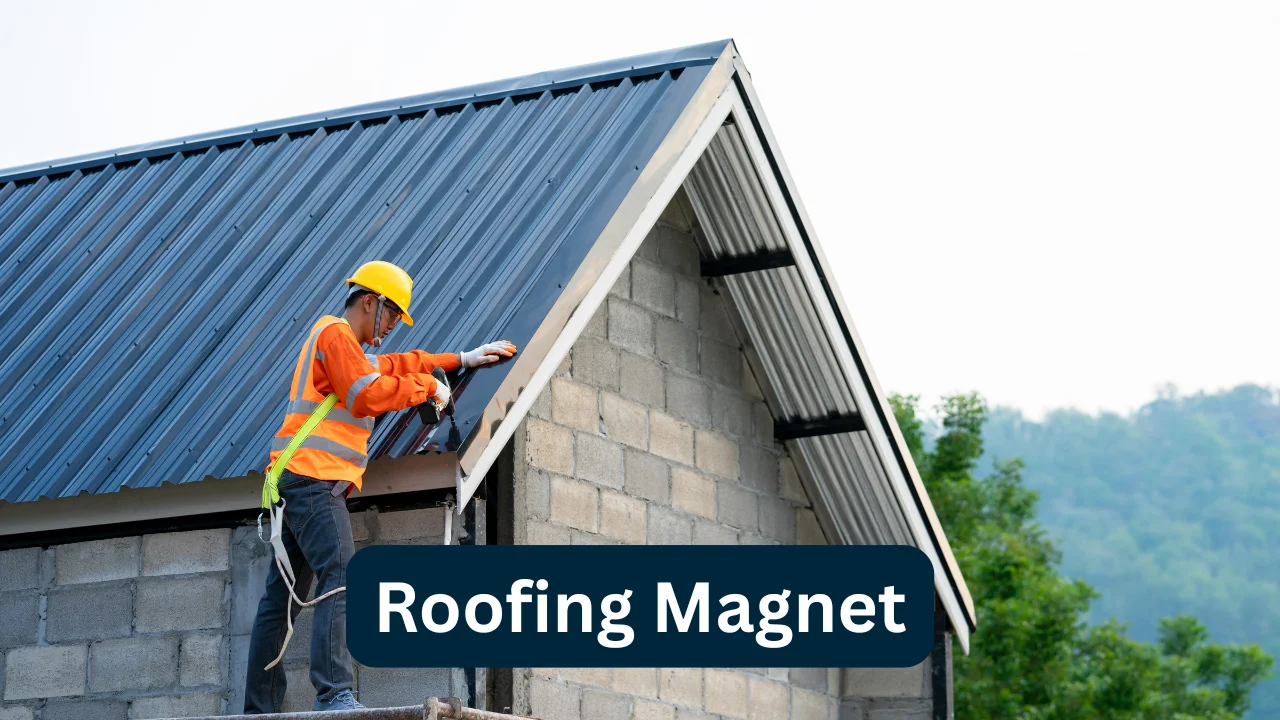
When any roofing project is finished—big or small—the work isn’t really done until every stray nail, screw, and metal shard is safely removed. That’s where a roofing magnet becomes one of the most reliable tools you can use. You can think of it as a giant, super-powered magnet designed to sweep the ground and pull up hidden metal debris you can’t easily spot with your eyes. Whether you’re working on a full roof replacement or a quick repair, the right magnet saves time, boosts safety, and prevents costly damage to cars, tires, and feet.
If you’re planning any kind of roofing work and want to understand the cleanup side of things, it also helps to know what the overall roofing process involves. For example, reviewing a helpful guide on the roof replacement process can give you a clearer picture of why cleanup tools like roofing magnets are so valuable.
In this guide, you’ll learn everything you need to know—from how these magnets work to the best ways to choose, use, and maintain them. We’ll also look at their benefits, usage scenarios, and common mistakes many homeowners make. By the end, you’ll feel completely confident about using a roofing magnet for home cleanup and any post-project sweep.
What Is a Roofing Magnet?

A roofing magnet is a magnetic tool designed specifically to pick up nails, screws, metal shavings, and other debris from roofing jobs. You can think of it as a “metal detector meets vacuum”—but instead of finding metal, it grabs and holds it.
Unlike a standard household magnet, a roof nail magnet is made with stronger magnetic materials that can attract buried or hard-to-see metal pieces. These tools are especially helpful because roofing work often involves hundreds or even thousands of nails, and even the most skilled crew can accidentally drop a few into the yard or driveway.
Detailed Explanation
Roofing magnets come in a variety of shapes and designs, but they all work on the same basic principle: a strong magnetic field pulls in metal objects and holds onto them until you release the debris. They are often used at the end of a roofing job, during inspections, or anytime you want to remove metal fragments from grass, gravel, sidewalks, or driveways.
How It Works
Most roofing magnets use neodymium or ferrite magnets—both known for their strength. When you roll or sweep the magnet along the ground, the magnetic field attracts any nearby metal. Nails become almost impossible to miss, even if they’re hidden under grass or small rocks.
This makes it easy to use tools like:
- magnet for picking up nails
- magnet sweeper for debris
- yard magnet for nails
- magnetic nail sweeper
These tools are essentially designed to grab anything metal within their reach, making cleanup significantly faster and safer.
Types of Magnetic Materials
Most roofing magnets rely on:
- Neodymium magnets: The strongest type, used in heavy-duty tools.
- Ceramic (ferrite) magnets: Slightly weaker but long-lasting and resistant to heat.
- Hybrid magnetic cores: Used in mid-range roofing magnets that balance strength and durability.
The magnetic material determines how many nails the tool can pick up in one pass and how deeply it can attract metal hidden in grass.
Typical Designs and Sizes
Roofing magnets come in several main styles:
- Small handheld tools
- Medium-sized rolling magnetic sweepers
- Large push-style sweepers with wheels
- Industrial sweeping bars used on construction trucks
The size and weight of the magnet impact how well it works in different environments—tight corners, thick grass, large open yards, or gravel driveways.
Usage Scenarios
A magnetic sweeper for nails or rolling magnet for construction sites is commonly used in:
- Residential roofing projects
- Commercial construction cleanup
- Garage and workshop sweeping
- Yard cleanup after roofing
- Driveway debris removal
- Emergency storm cleanup
If you’ve ever stepped on a nail or had a tire punctured, you know how important it is to pick up every last piece.
Benefits of Using a Roofing Magnet
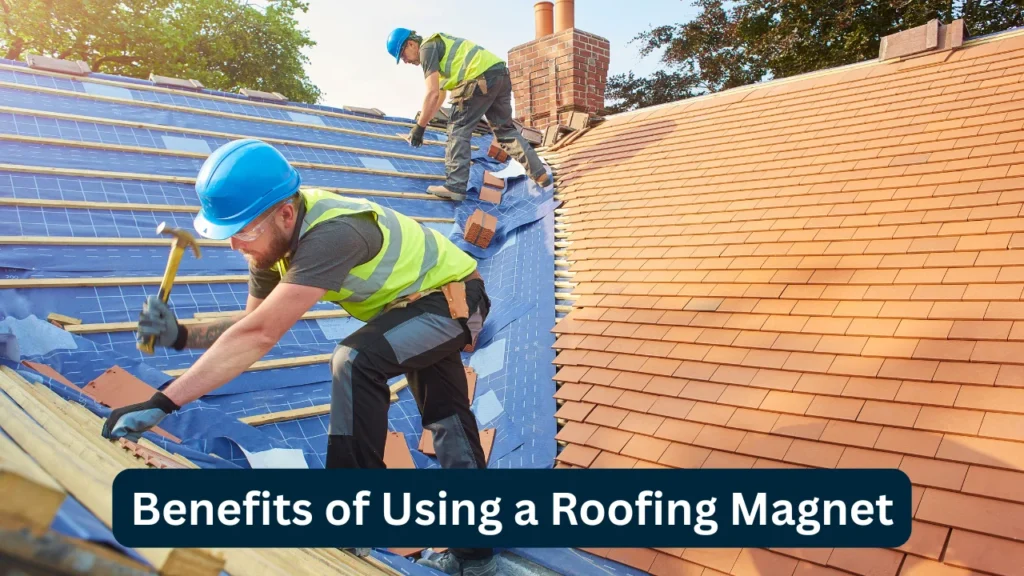
Roofing magnets offer a long list of benefits that make them essential for construction and home projects.
Efficiency in Cleanup
Manual cleanup is slow, frustrating, and unreliable. Using a rolling magnetic sweeper dramatically speeds up the process. One sweep can pick up dozens of hidden nails you wouldn’t have found otherwise. It’s like turning cleanup time into a simple walk across the yard.
Safety Improvements
Stray nails pose risks to:
- Kids and pets
- Lawn equipment
- Bare feet
- Car tires
- Visitors walking across your yard
A roof debris magnet helps eliminate these dangers quickly.
Cost Savings
Removing metal messes early can save you from:
- Tire repairs
- Medical bills from cuts or punctures
- Damage to lawnmowers
- Replacement tools
Using a roofing magnet is far cheaper than repairing a single tire.
Time Reduction on Job Sites
For contractors and DIY homeowners, time is everything. A construction site magnet can reduce cleanup from an hour to minutes. This means faster project completion.
Environmental Impact
Magnets help collect and dispose of sharp metal safely. Less debris means a cleaner yard and fewer injuries for wildlife, pets, and neighbors.
Types of Roofing Magnets
Different projects call for different styles of magnets. Here’s a breakdown of the most common types.
1. Magnetic Sweepers
These are rolling devices with wheels and strong magnets underneath. They’re ideal for large areas and are often called:
- magnetic sweeper for roof projects
- rolling magnetic sweeper
- magnetic broom for nails
They’re the most popular style because they cover more ground with less effort.
2. Handheld Magnets
Best for smaller areas or tight corners. They’re lightweight, portable, and perfect for grabbing stray screws around edges.
3. Magnetic Nail Removers
These are compact tools designed specifically to target nails and sharp objects. They work well in flower beds, patios, and walkway cracks.
4. Industrial Roof Magnets
These heavy-duty magnets attach to trucks or large equipment and can sweep entire sites in minutes. They’re great for construction, demolition, and commercial projects.
Differences by Strength and Size
Roofing magnets vary in:
- Pickup capacity (how many pounds of metal they can hold)
- Magnetic field depth (how far they reach into grass)
- Width (common sizes range from 12 to 48 inches)
Stronger, wider magnets cover more space and collect more debris but may be heavier and less maneuverable.
How to Choose the Right Roofing Magnet
Choosing the right roofing magnet depends on your home, yard, and project needs.
Consideration of Roof Type
Different roofs lead to different cleanup needs:
- Asphalt roofs involve thousands of nails
- Metal roofs may leave screws behind
- Shingle replacement tends to scatter debris widely
If you’re planning ahead, the roof replacement prep guide can help you better understand how messy roofing projects can get.
Magnet Strength and Size
If your yard has tall grass, gravel, or uneven surfaces, you’ll benefit from a heavy duty magnetic sweeper. For smaller spaces, a compact nail pickup magnet gets the job done.
Durability and Material
Look for:
- Rust-resistant frames
- Strong wheels
- Weatherproof coatings
- Replaceable magnetic bars
These ensure your magnet lasts through multiple projects.
Ease of Use and Portability
A magnet should be:
- Lightweight
- Easy to push
- Simple to clean
- Adjustable in height
Portable designs are especially useful for DIY homeowners.
Budget Considerations
Prices vary from $20 handheld magnets to $500+ industrial sweepers. Choose based on your project size—not every job needs the biggest tool.
How to Use a Roofing Magnet Safely
Using a roofing magnet isn’t complicated, but safety matters.
Proper Handling Techniques
Walk slowly, push the magnet in straight lines, and overlap each pass. Think of mowing a lawn—consistent rows make sure nothing is missed.
Personal Protective Equipment
Wear:
- Gloves
- Shoes—not sandals
- Eye protection
- Long pants
This protects you from sharp debris and hidden hazards.
Avoiding Interference with Electronics
Strong magnets can affect:
- Phones
- Laptops
- Credit cards
- GPS devices
Keep electronics a few feet away.
Safe Storage Practices
Store the magnet in a dry place away from other tools to avoid accidental sticking or scratches.
Training and Guidelines
Even DIY users should practice:
- Proper sweeping patterns
- Regular inspections
- Safe disposal of debris
The more consistent your cleanup routine, the safer your yard becomes.
Best Practices for Roof and Jobsite Cleanup
A roofing magnet works best with a full cleanup routine.
Step-by-Step Cleanup Process
- Start with a visual inspection
- Sweep with a rolling magnetic sweeper
- Go back with a handheld magnet for corners
- Empty the collected metal debris
- Repeat in a crosshatch pattern
- Walk the area one final time
Scheduling Cleanup Routines
If the cleanup involves a metal roof or multiple visits, understanding metal roof cleaning can help you build a schedule that keeps your home safe year-round.
Use of Additional Tools
Combine a roofing magnet with:
- Rakes
- Push brooms
- Leaf blowers
- Shovels
This ensures all debris—not just metal—is removed.
Team Coordination
If you’re working with others, assign specific zones. Overlapping helps but skipping areas causes problems later.
Environmental Disposal Methods
Don’t toss nails into regular trash bags. Use a small metal bucket or box, and recycle scrap metal when possible.
Common Mistakes to Avoid
Even with the best magnetic sweeper for nails, mistakes happen. Here’s what to watch out for.
Using Wrong Magnet Type
A handheld tool won’t cover a large yard quickly. A construction cleanup magnet may be overkill for small patios.
Ignoring Safety Precautions
Always wear shoes and gloves. Picking up nails by hand is a recipe for injury.
Inadequate Maintenance
Dirty magnets lose strength over time. Keep them clean and dry.
Overlooking Magnet Limitations
Magnets only pick up metal that contains iron. Aluminum and copper debris require other tools.
Poor Storage Habits
Leaving a magnet in the rain or near metal clutter reduces its life and performance.
Maintenance Tips for Roofing Magnets
A roofing magnet lasts longer when you treat it well.
Cleaning Methods
Wipe off dirt, mud, and leftover metal fragments. Sticky debris reduces the magnetic field’s efficiency.
Storage Recommendations
Hang or store the magnet in a dry place. Avoid stacking it next to tools, which can attract and clutter the magnet.
Regular Inspection Checks
Look for:
- Bent wheels
- Weak magnets
- Cracked frames
- Rust spots
Early fixes prevent long-term damage.
Avoiding Rust and Corrosion
Weatherproof your magnet by drying it after every use and storing it indoors.
Repair and Replacement Tips
If repairs seem too costly, replacement is easier. Investing in a new magnet is often cheaper than repairing damaged equipment. You may also want to keep an eye on the overall condition of your roof using this guide on roof maintenance.
Top Roofing Magnet Brands and Features to Compare
When shopping for the best roofing magnet for nails, compare:
Brand Overview and Reputation
Look for brands known for durability and long-term value.
Strength and Size Options
Wider magnets cover more ground, but smaller ones get into tight spaces.
Durability and Warranty
A strong warranty shows the manufacturer stands behind their product.
Price Ranges
- Handheld: $20–$50
- Mid-size sweepers: $80–$250
- Industrial: $300–$600+
Unique Features
Some models offer:
- Quick-release handles
- Adjustable heights
- Extra-strong neodymium cores
- All-terrain wheels
These features make cleanup faster and easier.
Roofing Magnet vs. Traditional Cleanup Methods
Where does a roofing magnet stand among other cleanup methods?
Speed Comparison
Manual cleanup takes hours. A magnet tool takes minutes.
Efficiency and Thoroughness
Magnets pick up hidden nails in grass that you would NEVER see by eye.
Cost Implications
A roofing magnet costs far less than a punctured tire.
Safety Aspects
Using the right tools protects your feet, kids, pets, and vehicles.
Environmental Benefits
Magnets collect metal cleanly and reduce waste—unlike sweeping methods that scatter debris.
To see how roof conditions impact safety and cleanup, explore this resource on roof installation.
When to Use a Roofing Magnet
Here are the best times to grab your magnet tool for post-roofing cleanup.
Types of Roofing Projects
Use one after:
- Shingle replacements
- Metal roof repairs
- Full roof installations
- Storm damage work
Post-Installation Cleanup
Every roofing crew should perform a magnetic sweep, but doing your own sweep ensures nothing is missed.
Maintenance Inspections
A quick sweep every few months helps find loose nails that may have washed down from the roof.
Emergency Debris Removal
Storms can shake loose screws and nails. A magnet helps you clean up safely.
Seasonal Considerations
Fall leaves and tall summer grass can hide nails easily. Seasonal sweeps are smart.
For more preparation tips, here’s a practical guide to roof replacement prep.
FAQs
How do roofing magnets work?
They use strong magnetic fields to pull in metal debris like nails and screws.
Can magnets damage roofing materials?
No. Roofing materials like shingles, tiles, and metal panels are unaffected.
Are all roofing nails magnetic?
Most are, but aluminum or copper nails will not stick to magnets.
How strong should a roofing magnet be?
A magnet with a 50+ pound pickup strength is ideal for home use.
How to maintain a roofing magnet?
Clean it regularly, store it indoors, check for rust, and inspect wheels and frames.
Conclusion
A roofing magnet is one of the simplest yet most effective tools you can use for roof and yard cleanup. It saves time, increases safety, and ensures you don’t leave behind hazardous metal fragments. Whether you’re handling a small repair or a full project, the right magnet makes post-roofing cleanup smooth, fast, and worry-free.
By choosing the right tool, following proper safety steps, and keeping up with maintenance, you’ll enjoy clean, safe surroundings after every roofing job.

Shannon Reyes is a seasoned writer with a knack for crafting engaging blogs on a variety of service industries, including plumbing, cleansing, moving, pest control, and roofing. With a keen eye for detail and a passion for helping readers navigate complex topics, Shannon brings her expertise to life through informative and accessible content.










https://shorturl.fm/xSFfT
I wanted to thank you for this very good read!! I absolutely loved every bit of it. I have you bookmarked to check out new stuff you
I am sure this paragraph has touched all the internet visitors, its really really pleasant piece of writing on building up new weblog.
I am sure this piece of writing has touched all the internet visitors, its really really good post on building up new web site.
Way cool! Some extremely valid points! I appreciate you penning this write-up and also the rest of the website is also really good.
I am sure this post has touched all the internet users, its really really good article on building up new website.
Hello everyone, it’s my first go to see at this web site, and paragraph is genuinely fruitful in favor of me, keep up posting these articles or reviews.
Ahaa, its nice discussion concerning this article here at this web site, I have read all that, so now me also commenting here.
Ahaa, its fastidious conversation on the topic of this post here at this weblog, I have read all that, so at this time me also commenting here.
Greetings! Very helpful advice within this article! It’s the little changes that produce the most important changes. Thanks for sharing!
You have made some really good points there. I looked on the internet for more information about the issue and found most individuals will go along with your views on this site.
Excellent read, I just passed this onto a colleague who was doing a little research on that. And he actually bought me lunch because I found it for him smile Thus let me rephrase that: Thank you for lunch!
rdmgqqby side effects cialis oral nvibds
Some genuinely nice stuff on this website, I like it.
I like what you guys are up too. This kind of clever work and exposure! Keep up the great works guys I’ve added you guys to my own blogroll.
Your way of describing the whole thing in this piece of writing is really good, every one can simply be aware of it, Thanks a lot.
I’ll immediately clutch your rss feed as I can’t find your email subscription hyperlink or e-newsletter service. Do you have any? Kindly allow me recognize so that I may just subscribe. Thanks.
I’ll right away seize your rss as I can’t to find your email subscription link or newsletter service. Do you have any? Please let me recognize in order that I could subscribe. Thanks.
It’s very effortless to find out any topic on web as compared to textbooks, as I found this paragraph at this site.
I am sure this article has touched all the internet people, its really really fastidious paragraph on building up new website.
I’ll immediately grab your rss feed as I can’t find your e-mail subscription hyperlink or e-newsletter service. Do you have any? Kindly let me recognize in order that I could subscribe. Thanks.
I really like what you guys are up too. Such clever work and exposure! Keep up the good works guys I’ve added you guys to my own blogroll.
Greetings! Very helpful advice within this article! It is the little changes that produce the most important changes. Many thanks for sharing!
Ahaa, its pleasant conversation on the topic of this piece of writing here at this website, I have read all that, so at this time me also commenting here.
Hello, just wanted to say, I enjoyed this blog post. It was practical. Keep on posting!
Everyone loves what you guys are up too. This kind of clever work and coverage! Keep up the very good works guys I’ve added you guys to my blogroll.
I am sure this post has touched all the internet users, its really really nice piece of writing on building up new weblog.
Wow, this post is fastidious, my sister is analyzing these kinds of things, therefore I am going to let know her.
I’ll right away snatch your rss feed as I can’t find your email subscription link or newsletter service. Do you’ve any? Kindly let me know so that I may subscribe. Thanks.
You’ve made some decent points there. I checked on the net for more info about the issue and found most individuals will go along with your views on this web site.
I am sure this paragraph has touched all the internet viewers, its really really good paragraph on building up new weblog.
I love it whenever people come together and share ideas. Great site, stick with it!
You have made some decent points there. I checked on the internet for additional information about the issue and found most individuals will go along with your views on this site.
Ahaa, its pleasant dialogue on the topic of this article at this place at this webpage, I have read all that, so now me also commenting here.